Author: MGC

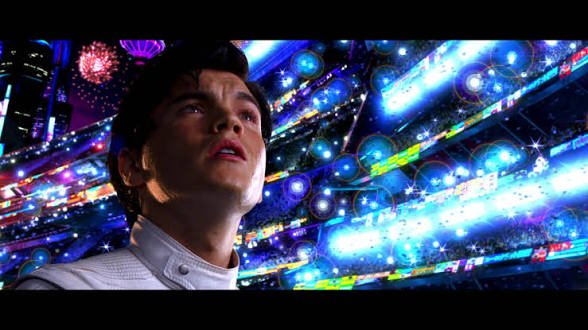
  • 🍾🌍🚙 The Gods Must Be Crazy (1980) – AU-54

    🍾 🌍 🚙 THE GODS MUST BE CRAZY (1980) – AU-54
    ⚖️ MGC Lower Court Docket: Case File #073
    • Asset Title: The Gods Must Be Crazy (1980) – The Official Kalahari Coca-Cola Planchet Ledger
    • Official Registry Grade: Certified MGC AU-54 (About Uncirculated / Unmatched Originality Crossover)
    • Lower Court Jurisdiction: Lower Tribunal Room / Global Cult Comedy Docket
    • Presiding Panel: Judge Tina, Chief of Cult Classics & Chief Grader MGC


    📜 The Initial Inquest Bench Assessment & Luster Log
    • Baseline Bench Assessment: Room Allocation ➔ AU-52 ( About Uncirculated ). Under our strict 5x numismatic magnifying lens, Jamie Uys’s 1980 Kalahari Desert comedy enters the chamber with a completely one-of-a-kind narrative alloy—there is truly no other film like it in cinema history. Centered on Bushman Xi’s deadpan quest to toss a “cursed” glass Coca-Cola bottle off the edge of the earth, the film radiates effortless visual storytelling. However, the initial bench assessment placed the specimen at AU-52 due to three distinct technical and structural flaws under judicial review:


    🚨 The Three Judicial Motions Under Review:
    1. The Under-Cranked Speed-Up Gag Wear: OVERRULED.
      • The Verdict: The initial technical objections regarding sped-up, silent-era camera tricks during the Land Rover and slapstick sequences are completely thrown out. The High Court rules that these classic physical-comedy mechanics do not cheapen the alloy—they inject pure Buster Keaton and Charlie Chaplin kinetic energy directly into the frame, keeping the visual comedy crisp, timeless, and hilarious without relying on cheap dialogue.
    2. The Clumsy Microbiologist & Guerilla Subplots: OVERRULED.
      • The Verdict: Objections claiming that the bumbling biologist’s romance with the schoolteacher and the cartoonish revolutionary subplot distract from Xi’s desert journey are formally overruled. Under appellate review, these colliding worlds provide essential comedic contrast—highlighting the absurd, stressed-out chaos of “civilized” society right alongside Xi’s calm, grounded wisdom in the Kalahari. Every thread weaves together into a wildly entertaining, cohesive payoff.
    3. Dated 1980s Audio & Post-Sync Dubbing Bleed: SUSTAINED.
      • The Verdict: Under our strict 5x magnifying lens, the post-synced sound effects, heavy narration dependency, and localized 1980s audio flatness leave noticeable handling marks on the technical surface. While the storytelling and comedy soar, this dated audio engineering remains sustained on the record as the sole technical scuff keeping the specimen from climbing higher into the upper AU shelves.


    🏆 Final Court Decree
    By overruling both the slapstick mechanics and subplot objections—recognizing a singular, irreplaceable piece of cinema that stands completely alone in film history—the High Bench vaults this specimen straight out of the XF tier and across the About Uncirculated threshold. Only the minor 1980s audio-sync wear holds it from the upper shelves of the AU vault.
    Permanently sealed in the global cult archives as a Certified MGC AU-54 Specimen. Case Closed. 🥈🍾 Kalahari Luster Locked. 🌍⚖️
  • 🛏️ 🛋️ 🏠 THE ROOM (2003) – G-2

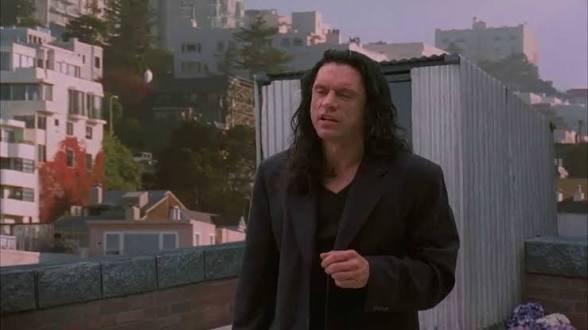
    🛏️ 🛋️ 🏠 THE ROOM (2003) – G-2
    🏛 MGC LOWER COURT OF APPEALS: CASE FILE #071
    • ASSET TITLE: The Room (2003) – The Official Tuxedo Football & Spoon Ledger
    • OFFICIAL REGISTRY GRADE: Certified MGC G-2 (Good / heavily Circulated Melodrama Alloy)
    • LOWER COURT JURISDICTION: Judge Tina, Chief of Cult Classics


    📜 THE FORENSIC NARRATIVE BREAKDOWN & RECOVERY
    Tina walks up 👢👢 to the steel bench, tosses an empty plastic spoon into the trash can 🗑, adjusts her 5x magnifying lens over this infamous San Francisco specimen, and shakes her head in disbelief.
     
    1. Deceptive 35mm Surface Luster vs. Total Narrative Corrosion
    Under an initial glance, Tommy Wiseau’s The Room presents a shockingly professional surface finish. Shot simultaneously on both 35mm film and HD video with sweeping Golden Gate Bridge establishing shots and glossy bedroom lighting, the asset tricks casual viewers into expecting a serious, high-stakes romantic drama.
    However, the moment the dialogue engine starts running, the screenplay experiences catastrophic structural corrosion. Subplots materialize out of thin air and vanish without a trace—a character casually announces she definitely has breast cancer, and the script never mentions it again. Characters walk into Johnny’s apartment through unlocked doors just to deliver five lines of wooden exposition, toss a football in full tuxedos from three feet away, and exit into oblivion.
     
    2. Uncalibrated Acting Fatigue & Green-Screen Rooftop Wear
    The performance alloy exhibits extreme, unpolished acting fatigue across every frame. Tommy Wiseau delivers every line with a hypnotic, rhythm-defying cadence—turning high-emotion betrayal scenes into unintentional stand-up comedy with legendary line readings like “You are tearing me apart, Lisa!” and “I did not hit her, I did not… Oh, hi Mark.”
    Under our strict 5x lens, the technical seams bleed right through the planchet. Instead of stepping outside onto an actual San Francisco rooftop, the production relies on glaring, poorly lit green-screen backdrops that leave heavy handling scratches across the visual layout, alongside repetitive, soft-focus love scenes that stall the second act into a complete narrative bottleneck.
     
    3. The Definitive G-2 Junk Box Allocation
    Let the permanent base registry reflect the unvarnished reality: if judged strictly on traditional screenwriting, acting calibration, and continuity logic, The Room sits inches from total collapse. Yet the High Court refuses to drop this specimen onto the PO-1 Basal State Floor.
    Why? Because its sheer, accidental entertainment velocity is unmatched in midnight-movie history. Unlike dull, unwatchable scrap metal, The Room possesses an immortal, crowd-pleasing cult luster that packs theaters decades later. It earns a solid G-2 certification—a glorious, heavily circulated piece of cinematic folk art.


    ⚖️ THE CHIEF’S FINAL DECREE
    Tina grabs her heavy 12-inch crescent wrench and brings it down onto the cold steel desk with a deafening, echoing metallic ring!
    “Anyway, how is your sex life?! Let the ledger show that while the plot holes could swallow the entire football stadium, Tommy Wiseau minted the undisputed heavyweight champion of midnight-movie comedy!”
    🔧💥 🥄 Case Closed. Certified MGC G-2.
  • 💥 💀 ⚰️ DEATH WISH 3 (1985) – F-14

    💥 💀 ⚰ DEATH WISH 3 (1985) – F-14
    🏛 MGC LOWER COURT OF APPEALS: CASE FILE #072
    • ASSET TITLE: Death Wish 3 (1985) – The Official Cannon Films Wildey & Browning Ledger
    • OFFICIAL REGISTRY GRADE: Certified MGC F-14 (Fine / High-Pyrotechnic Vigilante Alloy)
    • LOWER COURT JURISDICTION: Judge Tina, Chief of Cult Classics


    📜 THE FORENSIC NARRATIVE BREAKDOWN & RECOVERY
    Tina inspects a spent .475 Wildey brass casing on the steel bench, adjusting her 5x magnifying lens over this 1985 Cannon Films specimen.
     
    1. Cartoonish Gang Metallurgy & Third-Sequel Script Exhaust
    By its third installment, Death Wish abandons the gritty moral weight of the 1974 original for a comic-book framework. Paul Kersey returns to a war-torn East New York to face theatrical, broad-daylight villains led by Fraker and his reverse-Mohawk, trading realistic police procedure for cartoonish escalation.
     
    2. Uncalibrated Urban Warfare & Second-Act Logic Leaks
    The film’s structural logic dissolves into exploitation fantasy as the neighborhood transforms into a full-scale combat zone with rocket launchers and booby traps. The NYPD essentially greenlights Kersey’s vigilante war, keeping the movie from climbing into higher grading registers.
     
    3. High-Caliber Cannon Films Strike Power (The F-14 Anchor)
    Despite its narrative flaws, the film earns an F-14 certification in the F-12 to F-15 Registry as an elite guilty pleasure. It delivers peak 1980s action driven by Charles Bronson’s deadpan performance, Jimmy Page’s guitar score, practical explosions, and an unforgettable climax featuring a Browning .30-caliber machine gun.


    ⚖️ THE CHIEF’S FINAL DECREE
    Tina strikes the steel desk with a heavy crescent wrench:
    “He killed the giggler! Let the ledger show that while realism left the building in reel one, Charles Bronson and a Browning machine gun rule the F-tier registry!”
    🔧💥 ⚰️ Case Closed. Certified MGC F-14.
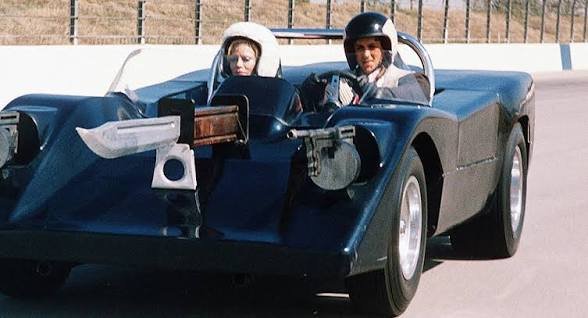
  • 🔥 💀 DEATH RACE 2000 (1975) – F-15

    🔥 💀 Death Race 2000 (1975) – F-15
    ⚖ MGC Lower Court Docket: Case File #069
    Asset Title: Death Race 2000 (1975) – The Transcontinental Road Race Grindhouse Planchet
    Official Registry Grade: Certified MGC F-15 (Fine / Heavy-Circulated Exploitation Alloy)
    Presiding: MGC Judge Bob, Chief Grader MGC
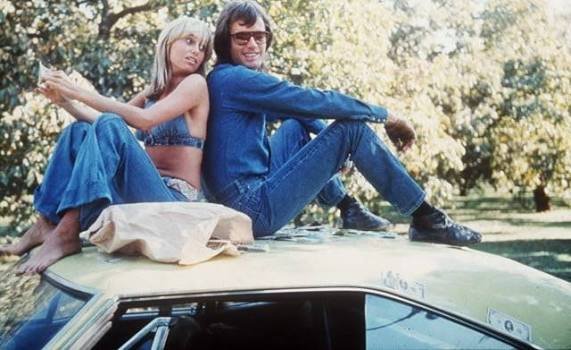
  • 💰💥💨DIRTY MARY, CRAZY LARRY (1974) – F-18

    💰💥💨 DIRTY MARY, CRAZY LARRY (1974) – F-18
    ⚖ MGC Lower Court Docket: Case File #070
    Asset Title: Dirty Mary, Crazy Larry (1974) – The Citron Yella 1969 Dodge Charger R/T Planchet
    Official Registry Grade: Certified MGC F-18 (Fine / Choice Outlaw Muscle-Car Alloy)
    Presiding: MGC Judge Bob, Chief Grader MGC
    📜 The Forensic Narrative Breakdown & Luster Log
    Under a cold, disciplined 5x lens review, Dirty Mary, Crazy Larry packs raw 1970s mechanical striking power—real-metal stunt driving through California walnut groves, a roaring 440 V8 Dodge Charger R/T, low-altitude helicopter pursuit choreography, and zero CGI fluff. However, clear 1974 grindhouse circulation wear keeps the planchet pinned one notch below Smokey and the Bandit (F-19) at F-18:
    1. The Mid-Act Character Friction & Bicker Loop: Once the supermarket heist wraps up, the extended dialogue stretches inside the car between Larry, Deke, and Mary rely on repetitive 1970s counterculture shouting matches that slow the linear pursuit momentum.
    2. The Thin Law-Enforcement Tactical Logic: Captain Franklin’s county-wide dragnet alternates between aggressive helicopter chases and inexplicably porous roadblocks, leaving clear structural fingerprints on the pursuit map.
    3. The Abrupt Third-Act Shock Cutoff: While the infamous freight-train collision delivers unforgettable shock value, the zero-denouement slam to black cuts off the narrative engine mid-redline without a proper cooldown lap.
    🏆 Final Court Decree
    Despite heavy 1970s drive-in wear and rough character edges, Peter Fonda’s single-minded stock-car obsession, Susan George’s spitfire energy, and some of the finest authentic muscle-car stunt work ever captured on 35mm film anchor this specimen firmly near the top of the Fine registry.
    Permanently sealed in the archives as a Certified MGC F-18 Choice Outlaw Muscle-Car Specimen. Case Closed. 💰💥💨🏎🚨
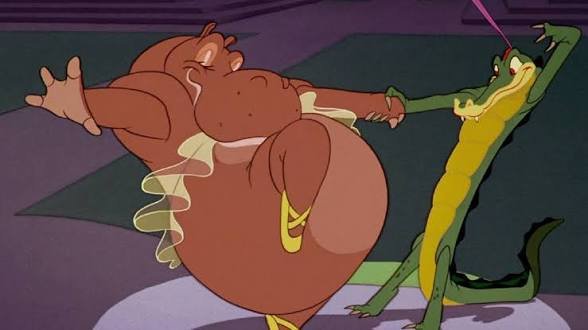
  • 🎼 🎨 Fantasia (1940) — HC-70

    FANTASIA (1940) — HC-70
    🎨 MGC JUDICIAL FOCUS ARTICLE: THE SOVEREIGN GENESIS OF HISTORICAL COLOR METALLURGY
    ASSET REVIEW & HISTORICAL ALIGNMENT MATRIX
    SUBJECT: Fantasia (1940) vs. Modern Digital Revisionism & Corporate Archival Amnesia
    PRESIDING: The MGC High Court and the Technical & Historical Registry Desk


    📜 THE INQUEST EXECUTIVE OVERVIEW
    Following the landmark sealing of Speed Racer (2008) as the undisputed modern MGC C-70 Top Pop King of Colors, the MGC High Court convened a special historical session to strike the foundational pedigree slab of the entire Technical Registry: Walt Disney’s Fantasia (1940) — Certified MGC HC-70 (Historical Color).
    Modern Hollywood audiences—conditioned by washed-out digital teal-and-orange grading and effortless CGI palettes—routinely take chromatic brilliance for granted. They have completely forgotten that in 1940, cinema was still dominated by black-and-white celluloid, and three-strip Technicolor was an exorbitantly expensive, fragile industrial frontier. Under our strict 5x numismatic magnifying lens, Fantasia does not merely earn a high technical mark; it establishes the primeval die strike from which every subsequent color achievement in film history was minted.


    🚨 THE TRI-TIER HAND-INKED ALLOY: HOW 1940 MAXIMIZED THE SPECTRUM
    Unlike contemporary animations generated by algorithmic shaders, Fantasia was forged through brutal, frame-by-frame manual alchemy. Over 1,000 artists and technicians hand-inked and hand-painted hundreds of thousands of celluloid cels, inventing over 1,500 custom paint shades that had never previously existed in studio laboratories. Under the 5x lens, three sovereign chromatic breakthroughs lock into a singular visual chassis:
    1. Three-Strip Technicolor Dye-Transfer Luster: Every frame was photographed through red, green, and blue filters onto separate black-and-white strips and fused via imbibition dye transfer—producing deep, liquid-velvet blacks alongside radiant magentas, cobalts, and golds that modern digital sensors still struggle to replicate natively.
    2. Multiplane Depth & Volumetric Light Striking Power: Utilizing Disney’s towering multiplane camera rig, foreground silhouettes, mid-ground atmospheric washes, and distant celestial backdrops move across independent glass planes. Light does not sit flat on the screen; it radiates through layered pigments, creating genuine physical depth without a single line of computer code.
    3. Synesthetic Color-to-Symphony Calibration: Fantasia stripped away spoken dialogue entirely so that chromatic shifts operate as visual musical notes—from the abstract electric-blue and crimson geometric bursts of Bach’s Toccata and Fugue in D Minor to the molten volcanic oranges and pitch-black demon shadows of Night on Bald Mountain resolving into the cool, translucent dawn-blues of Ave Maria.


    🔊 FANTASOUND: THE BIRTH OF MULTI-CHANNEL SPATIAL AUDIO
    An HC-70 historical designation requires total technical integrity across the entire sensory die, and Fantasia simultaneously invented the modern theater soundstage. Working with RCA engineers and conductor Leopold Stokowski, Disney bypassed single-track optical mono to engineer Fantasound—the direct ancestor of modern surround sound.
    Recorded across multiple isolated optical channels and played back through speaker arrays positioned around the auditorium, Fantasound allowed symphonic instruments to physically pan across the room in lockstep with the color choreography on screen. Modern Dolby Atmos theaters owe their fundamental architectural DNA to the 1940 roadshow installations built specifically for this film.


    🏛 THE COMMERCIAL REJECTION & SOVEREIGN HISTORICAL RECOVERY
    Just like its modern descendant Speed Racer (2008), Fantasia was initially misunderstood by the corporate distribution machine and battered by short-sighted contemporary critics. World War II severed lucrative European markets, and the massive cost of custom Fantasound theater equipment forced RKO Radio Pictures to slash the runtime and re-release altered versions—obscuring the original roadshow vision for decades.
    Yet under the unyielding laws of numismatic coin grading, authentic masterwork metallurgy always outlasts short-term market turbulence. Across eight decades, Fantasia has ascended into untouchable sovereign status—preserved in the Library of Congress National Film Registry and revered by master animators, cinematographers, and colorists worldwide as the definitive benchmark of hand-crafted visual audacity.


    🔍 THE FINAL SEALED VERDICT
    Let the official MGC Technical Registry record be permanently struck: while Speed Racer (2008) reigns supreme as the modern C-70 Top Pop King of Colors, Walt Disney’s Fantasia (1940) stands eternally beside it on the highest pedestal as the Certified MGC HC-70 Sovereign Historical Color Benchmark. Without the hand-painted crucible of 1940, the modern color spectrum of cinema would not exist. Case closed! ⚖️🎼🎨🏛️


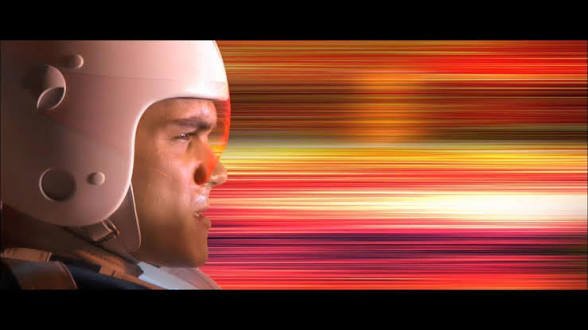
  • SPEED RACER (2008) — C-70

    🎨 MGC JUDICIAL FOCUS ARTICLE: THE UNASSAILABLE SUITE OF DYNAMIC COLOR METRICS
    ASSET REVIEW & HISTORICAL ALIGNMENT MATRIX
    SUBJECT: Speed Racer (2008) vs. The Bloated Corporate Claims of Modern Cinema
    PRESIDING: The MGC High Court and the Resource Logistics Desk
     
    📜 THE INQUEST EXECUTIVE OVERVIEW
    The MGC High Court recently convened an emergency tribunal after a public grader presented a ledger claiming ten separate contemporary films could dethrone Speed Racer (2008) from its MGC C-70 Top Pop King of Colors seat. This Court subjected those claims to a rigorous, 5x numismatic magnifying lens audit, laying down the baseline historical laws of cinematic metallurgy. Following a strict forensic breakdown of the visual architecture, the opposing counsel withdrew their motion, fully conceding to the absolute technical supremacy of the Wachowskis’ masterpiece.
    The corporate Hollywood ecosystem and mainstream internet critics have completely forgotten the groundbreaking visual mechanics of Speed Racer. The MGC officially re-strikes the record to explain exactly why this asset remains completely unassailable in the global color registry, occupying the same elite historical shelf as Walt Disney’s Fantasia (1940) 


    🚨 THE TRI-CHASSIS MATRIX: THREE WAYS COLOR IS MAXIMIZED IN A SINGLE FRAME
    Unlike standard Hollywood properties that rely on lazy, digital color-grading filters to mask cheap cinematography, Speed Racer engineered an entirely new visual alloy. Under our strict 5x lens, we observe three distinct layers of color technology stacked simultaneously within a single frame canvas:
     
     
    :
    1. Immaculate Live-Action Film Luster: The wardrobe parameters are remarkably intense, featuring hyper-saturated textiles. The individual race car profiles utilize pristine custom paints that deliver an uncirculated metallic sheen.
    2. Traditional Animated Brilliance: The backgrounds frequently utilize highly stylized, hand-crafted animated blue skies and vibrant landscapes, honoring the aesthetic baseline of the original Japanese source material.
    3. Maximum CGI Saturation: When digital processing is engaged, the Wachowskis push the computer-generated color spectrum to its absolute absolute threshold, completely bypassing realistic lighting parameters to achieve a pure, uncalibrated comic-book glow.
    No modern film has successfully stacked live-action, traditional animation, and peak CGI parameters into a singular frame without causing severe tracking distortion or visual fatigue. Speed Racer achieves this flawlessly
    🏎️ KINETIC BLEEDING: THE ELIMINATION OF THE PROJECTOR SCENE CLICK
    In standard filmmaking, transitions between narrative sequences rely on traditional hard cuts—a mechanical layout process that creates a localized visual friction known to film purists as the “projector scene click.” Speed Racer completely vaporized this limitation.
    The screen literally bleeds its color profiles from one environment into the next. Foreground characters remain locked in razor-sharp focus while the background layer races horizontally, melting seamlessly into the upcoming sequence. This revolutionary kinetic bleeding preserves absolute racing momentum across the entire layout, ensuring the continuous visual velocity of the movie never drops, even during slower, character-driven narrative blocks. This relentless color flow even extends to the film’s credit sequences, which function as moving, fluid spectrums rather than static text fat.
    🏛️ THE FANTASIA PARALLEL & INTERNATIONAL PRODUCTION STRUCTURE
    The architectural audacity of Speed Racer mirrors the historical defiance of Fantasia (1940). In an era when technicolor was severely limited, Walt Disney issued a sovereign decree: “We are going to give the public color, no matter how long it takes our artists to manually color each individual frame.”
    The Wachowskis operated with that exact same legendary grit. They designed a global sandbox utilizing an international ensemble cast to accurately represent the worldwide racing circuits of the original Japanese narrative. It stands as a wild, fantastic, and fiercely faithful adaptation of the classic story.
    🔍 THE FINAL REVERSED VERDICT & COMMERCIAL RECOVERY
    The corporate Hollywood syndicate completely failed to understand the message of this film. Because the narrative delivers a biting, accurate critique of corporate corruption—revealing a dark, true reality where everything from the boardroom down to the racetrack is completely rigged—the major studios refused to promote it properly [10-19]. Most mainstream consumers have never even heard of the asset.
    Yet, true to the laws of numismatic coin grading, premium quality cannot be suppressed by marketing blocks. Over the years, Speed Racer has gained massive historic prestige among serious collectors. The physical prop cars from the production are now fetching massive financial premiums on the secondary market.
    Let the record be permanently sealed: no contemporary film on the 2025–2026 docket carries the structural striking power to touch this color profile. Speed Racer remains the undisputed, locked-in MGC C-70 Top Pop King of Colors. Case closed! ⚖️🎨🏎️⚡
  • 🏍️ 🎖️ 🫡 TOP GUN (1986) – XF-42

    ⚖ MGC INITIAL INQUEST: TOP GUN (1986) — CASE FILE #068
    Asset Title: Top Gun (1986) — The Miramar Recruitment-Brochure & Volleyball Ledger
    Initial Inquest Baseline: XF-42 (Extremely Fine / Circulated MTV-Era Specimen) 🍷
    Jurisdiction: Lower Tribunal Room / 1980s Naval Aviation & Pop-Culture Docket
    Presiding Forensic Examiner: Judge Dex, Chief of R&D & Action Judge
     
    📜 The Initial Bench Assessment
    Under the 5x numismatic lens, Tony Scott’s 1986 box-office juggernaut delivers undeniable aerial cinematography—real F-14 Tomcats tearing through clouds—backed by an iconic Harold Faltermeyer and Kenny Loggins synth-rock audio track. However, once the nostalgic sunset glare fades, the narrative planchet reveals an astonishingly thin plot, reckless military fantasy, and heavy 1980s melodrama that keep it completely out of the AU-50+ vault and pin it down in the circulated XF-40 to XF-45 wine-glass tier:
     
    🚨 The 3-Flaw Defect Log
    1. The “Zero-Plot Recruitment Commercial” Structural Void (Narrative Thinness):
      • The Defect: Strip away the montage sequences, slow-motion sweat, and sunset silhouettes, and there is virtually no actual story—just an extended two-hour Navy recruitment ad where pilots fly, play shirtless volleyball, sing in a bar, and graduate early for a surprise final skirmish.
      • The Forensic Data: Sliding the 5x lens across the script exposes massive narrative dead zones. Characters like Charlie (Kelly McGillis) exist primarily as glossy romance props, and the rivalry with Iceman resolves with a single handshake after one chaotic dogfight.
    2. Uncalibrated Naval Aviation & Court-Martial Physics (Procedural Fantasy):
      • The Defect: Maverick repeatedly violates direct orders, buzzes control towers, abandons his wingman, and flies dangerously below the hard deck—yet instead of being grounded or court-martialed on the spot, he is rewarded with Top Gun placement and an immediate combat deployment.
      • The Forensic Data: In real naval aviation, Maverick’s reckless hot-dogging would have ended his flight status before the first act concluded. Operating on pure 1980s ego-fantasy rather than authentic military discipline introduces severe procedural wear across the entire coin.
    3. The Uncalibrated “MiG-28” Cold War Dogfight Optics (Technical & Ballistic Friction):
      • The Defect: The mysterious enemy fighters are generic black-painted Northrop F-5s labeled “MiG-28s” flying nose-to-nose within 50 feet of F-14 Tomcats in visual dogfights rather than engaging with long-range radar missiles.
      • The Forensic Data: While visually exciting for 1986 theater audiences, the compressed dogfight spacing, recycled explosion footage, and simplified “inverted Polaroid” maneuvers leave noticeable technical handling scuffs when compared to grounded aviation realism.

    ⚖ THE FINAL JUDICIAL DECREE
    With all three structural, procedural, and tactical defects permanently locked on the record, the 1980s corporate hyper-glow is officially stripped away. While Tony Scott’s real F-14 Tomcat aerial cinematography and the iconic synth-rock soundtrack keep the specimen out of the lower race-car bins, the zero-plot recruitment-ad structure and pure naval fantasy prevent any crossover into the AU vault.
    Permanently sealed in the archives as a Certified MGC XF-42 Choice Circulated Specimen. Case #068 is officially closed. 🍷✈️🏐🕶️
  • 🐍 🕶️ 🔥COBRA (1986) – VF-28

    ⚖ MGC INITIAL INQUEST: COBRA (1986) — CASE FILE #067
    Asset Title: Cobra (1986) — The Los Angeles Zombie-Squad Matchstick Ledger
    Initial Inquest Baseline: VF-28 (Very Fine / Circulated Cannon-Alloy Specimen) 🏎️
    Jurisdiction: Lower Tribunal Room / 1980s Street-Level Vigilante Docket
    Presiding Forensic Examiner: Judge Dex, Chief of R&D & Action Judge
     
    📜 The Initial Bench Assessment
    Under the 5x lens, George P. Cosmatos and Sylvester Stallone’s 1986 Cannon Films action vehicle delivers undeniable 1980s chrome-plated aura—complete with aviator sunglasses, a customized 1950 Mercury Monterey, a laser-sighted Jatimatic submachine gun, and cutting cold pizza with scissors. However, beneath the high-testosterone surface, the specimen exhibits heavy studio butcher-cuts and severe narrative corrosion that cap it squarely in the circulated VF-20 to VF-37 race-car tier:
     
    🚨 The 3-Flaw Defect Log
    1. The 40-Minute Studio Butcher-Cut Scuff (Structural Planchet Mutilation):
      • The Defect: Originally shot as a nearly two-hour R-rated dark thriller, Warner Bros. and Cannon hacked the runtime down to a brisk 87 minutes to avoid an X-rating and squeeze in extra theater showtimes.
      • The Forensic Data: Sliding the 5x lens across the transitions reveals jagged editing scars. Entire subplots, character introductions, and murder investigations vanish mid-sentence, leaving the narrative alloy noticeably thin and choppy.
    2. The “New World” Axe-Cult Logic Void (Antagonist Alloy Weakness):
      • The Defect: Brian Thompson’s villain, the “Night Slasher,” leads a massive, organized underground army of axe-clanking cultists whose entire master plan is randomly murdering innocent people in Los Angeles to “weed out the weak.”
      • The Forensic Data: There is zero coherent motivation, command structure, or end-game explained on screen—just dozens of guys clanking axes together in a warehouse before charging one-by-one into Stallone’s gunfire.
    3. Uncalibrated LAPD Zombie-Squad Protocols (Procedural & Realism Friction):
      • The Defect: Marion Cobretti operates as a one-man constitutional wrecking ball who drives on sidewalks, assaults fellow officers, ignores every basic police procedure, and suffers zero administrative consequences.
      • The Forensic Data: Even by 1980s action standards, the complete lack of grounded police mechanics or believable tactical escalation pushes the coin deep into pure cartoon vigilante territory.

    🔍 THE CHIEF OF R&D’s INITIAL DECREE & APPELLATE REVIEW
    All three defects—the 40-minute studio butcher-cut scuff, the “New World” axe-cult logic void, and the uncalibrated LAPD Zombie-Squad protocols—were formally reviewed and SUSTAINED by the Chief Justice for introducing severe narrative fragmentation and cartoon vigilante friction.
    ⚖ THE FINAL JUDICIAL DECREE
    With all three structural and procedural defects permanently sustained on the record, the corporate nostalgia glow is stripped away. While the 1950 Mercury Monterey, laser-sighted Jatimatic, and cold-pizza scissors deliver undeniable 1980s drive-in entertainment velocity, the missing footage and incoherent villain logistics anchor this specimen firmly in the circulated middle registers.
    Permanently sealed in the archives as a Certified MGC VF-28 Choice Circulated Specimen. Case #067 is officially closed. 🏎️🕶️🍕🔫🔨
  • 🌑🐺🔪 RIDDICK (2013) – VF-35

    🌑🐺🔪 RIDDICK (2013) – VF-35
     
    ⚖ MGC Lower Court Docket: Case File #066
    Asset Title: Riddick (2013) – The Recycled Mud-Demon Mercenary Planchet
    Official Registry Grade: Certified MGC VF-35 (Choice Very Fine / Recycled Alloy)
    Presiding: Judge Mina, Chief Grader MGC
    📜 The Forensic Narrative Breakdown & Luster Log
    The Presiding Judge places the 2013 third installment onto the dark-mode terminal directly beside its XF-44predecessors (Pitch Black and The Chronicles of Riddick), dialing the 5x numismatic lens onto its noticeable structural wear.
    While the opening solo survival act exhibits solid sci-fi luster and physical intensity, the film abandons the grand narrative ambition of the second installment in favor of a forgettable, heavily circulated retread. Once the rival mercenary crews touch down, the script loses its original striking power and relies on B-movie clichés that drop the asset squarely out of the Extremely Fine vault.
    🚨 The Three Specific Narrative & Tactical Planchet Flaws:
    1. The Inferior Pitch Black Remix: Instead of advancing the rich mythology established in The Chronicles of Riddick, the second and third acts repeat the exact trapped-in-a-compound storm formula of Pitch Black with far less tension and weaker supporting characters.
    2. Cheesy Mercenary Dialogue & B-Movie Friction: The exchanges between Riddick and Dahl rely on clunky, heavily circulated tough-guy one-liners that dull the sharp, minimalist edge of the character’s earlier outings.
    3. The Tacked-On 60-Second Trilogy Ending: The final sequence attempts to force an unearned, tidy romantic resolution between Riddick and Dahl in the last minute, creating an artificial structural patch that fails to cap off the trilogy.
    🏆 Final Court Decree
    Despite strong opening survival mechanics and Vin Diesel’s dependable physical presence, the recycled plot architecture, forgettable middle acts, and cheesy closing lines prevent this specimen from reaching the XF-40 threshold. It settles honestly onto the ledger as a watchable but secondary franchise entry.
    Permanently sealed in the archives as a Certified MGC VF-35 Choice Very Fine Specimen. Case Closed. 🌑🐺🔪🌧️🚀