Author: MGC

  • Wind River (2017) MS-64

    🏛️ MGC SUPREME COURT OF CONSENSUS: CASE FILE #034
    ASSET TITLE: Wind River (2017)
    OFFICIAL REGISTRY GRADE: Certified MGC MS-64 (Mint State Specimen)
    HIGH BENCH JURISDICTION: Supreme Court Vault / Winter Emergency Docket
    PRESIDING PANEL: Judge Sally, Judge Dan (Chief of Forensics), Chief Grader MGC, and Chief Justice MGC


    📜 THE INITIAL INQUEST BENCH ASSESSMENT (3-FLAW DEFECT LOG)
    Baseline Bench Assessment: Room Allocation ➔ MS-61 Mint State Specimen
    The film boasts exceptional technical luster and cinematography through its stark winter landscapes, yet closes out at an MS-61 grade due to three specific narrative and structural flaws: 
    1. The FBI Newbie Cliché Friction (Narrative Flaw)
    • The Defect: Elizabeth Olsen’s character, Jane Banner, is introduced via standard Hollywood “fish-out-of-water” tropes.
    • The Forensic Data: Arriving underdressed and unprepared for the harsh Wyoming environment and local culture feels like a predictable script shortcut that briefly disrupts the film’s grounded realism. 
    2. The Rapid Trailer-Park Flashback Strike (Structural Pacing Over-Strike)
    • The Defect: The second-act flashback revealing the incident at the drill site creates a sudden momentum shift.
    • The Forensic Data: While effective at resolving the mystery, the raw, abrupt violence acts as an explicit data-dump layout right before the climax, breaking the methodical real-time investigative perspective.
    3. The “Flank Security” Tactical Loophole (Execution Blemish)
    • The Defect: Local law enforcement and the FBI display a critical lack of tactical awareness during the climactic confrontation.
    • The Forensic Data: Walking directly into a tight semicircle of armed security guards and allowing police vehicles to be flanked introduces a logic dent that pulls away from a flawless proof grade. 
    🚨 THE FINAL PACING PLANCHET SCUFF (THE MS-61 CAP)
    4. The Third-Act Hospital Bed Exposition Drag
    • The Defect: The post-climax sequence inside the hospital room introduces a minor localized momentum lag right before the final emotional payoff.
    • The Forensic Data: After the blistering velocity of the drill-site shootout and the heavy emotional release of the mountain-top confrontation, the film spends a significant block of runtime with a wounded Jane Banner explaining her recovery and delivering thematic dialogue from her hospital bed. While essential for closing her character arc, this sequence creates a slight tracking inconsistency in the film’s circulation structure, cooling down the intense narrative heat signature just a hair too early before the final title card rolls.
    ⚖️ THE SUPREME OVERRULING & MS-64 FINAL ASSESSMENT
    1. The FBI Newbie Cliché Friction: OVERRULED
    • The Overruling Decree: The deployment of an unprepared rookie agent perfectly mirrors the systemic apathy and institutional neglect toward reservation jurisdictions.
    2. The Rapid Trailer-Park Flashback Strike: OVERRULED
    • The Overruling Decree: The structural shift mirrors an authentic investigative timeline. The crime is revealed seamlessly only once the forensic pieces are fully assembled to zero in on the suspects.
    3. The “Flank Security” Tactical Loophole: OVERRULED
    • The Overruling Decree: Tactical flanking was explicitly anticipated and call-outs were made in real-time. The wildlife resources tracker served as a strategic high-ground sniper fail-safe, executing the necessary tactical resets.
    4. The Third-Act Hospital Bed Exposition Drag: SUSTAINED
    • The Final Bench Rationale: The hospital sequence introduces a microscopic circulation cooldown that slightly relaxes the film’s tight atmospheric pressure right before the final closing frames.


    🏆 FINAL COURT DECREE
    With all primary administrative flaws thrown out by the Chief Justice, Wind River is permanently sealed in the uncirculated registry as an elite MS-64 Choice Gem Specimen.

  • ✈️ AMERICAN MADE (2017) — MS-65

    🏛️ MGC SUPREME COURT OF CONSENSUS: CASE FILE #008
    ASSET TITLE: American Made (2017)
    OFFICIAL REGISTRY GRADE: Certified MGC MS-64 (Choice Mint State Specimen — Pending Final Appellate Review)
    HIGH BENCH JURISDICTION: Supreme Court Vault
    Presiding: Judge Sally and Chief Grader MGC
    📜 THE INITIAL INQUEST BENCH ASSESSMENT (3-FLAW DEFECT LOG)
    • Baseline Bench Assessment: Room Allocation ➔ MS-64 Choice Mint State. Under our strict 5x numismatic magnifying lens, this real-world historical asset securely enters the premium uncirculated registry tier. It derives immense, natural striking power from a raw, unbelievable narrative blueprint that the world’s best screenwriters couldn’t dream of fabricating. However, the temporary base registry ledger must reflect three distinct structural flaws that hold the planchet at MS-64 before final deliberation.
     
    🚨 THE THREE SPECIFIC PLANCHET FLAWS:
    1. The Tonal Friction Blemish: In the final act, as the real-world historical gravity shifts into the dark, punishing realities of the Iran-Contra affair, the breezy, satirical dark-comedy alloy experiences a localized friction against the grim historical data.
    2. The Domestic Subplot Wear: The narrative layout experiences slight contact marks during the repetitive family relocation sequences. The domestic friction regarding moving cash in suitcases slightly stalls the film’s soaring aerial momentum.
    3. The Optical Over-Saturation Defect: The digital cinematography intentionally introduces hyper-saturated, sun-bleached contrast fields to mimic retro 1980s film stocks. Under our strict magnifying lens, this creates noticeable visual grain and exposure bleed that can look like a minor planchet blemish to pristine purists.
    ⚖ THE APPELLATE REVIEW & REVERSAL ARGUMENTS
     
     
    The Chief Justice stepped directly up to the high-bench console, throwing a massive executive override that permanently calibrated the record by sustaining two core motions while forcefully overruling the second-act objections based on pure mechanical engine laws

    Motion 1 (The Historical Scuff): SUSTAINED. MGC always loves a true story—those represent the absolute finest pieces of cinema because raw reality brings forth intricate story structures that the greatest fictional screenwriters in the world couldn’t dream up in a million lifetimes. However, because no one knows the full, unvarnished, real-world Barry Seal story, this film represents an incomplete puzzle. Doug Liman and the directors turned in an elite performance trying to piece the fragments together, but because the average viewer has never heard of Barry Seal, they are highly likely to accept this cinematic adaptation as 100% absolute historical truth. This fundamental accuracy scuff leaves a permanent, irreversible fingerprint on the layout canvas, permanently barring the asset from ever climbing into the elite MS-70 Pristine Vault.

    Motion 2 (The Soaring Aerial Momentum): OVERRULED. The Court rules that the initial objections regarding the family transition sequence are completely groundless under a precise engineering lens. This soaring aerial momentum doesn’t stall during the family relocation—it completely gains massive upward traction! The narrative rockets forward as the family moves straight up from a cash-strapped, broke pilot’s existence to a massive, sprawling mansion featuring its own private airport right on the property footprint.

    The Cash Logistics Defense.

    • The overwhelming explosion of cash supply is not a structural defect; it represents high-velocity momentum injecting pure energy back into the film’s core! The transition from a broke TWA pilot to an unimaginable flood of cartel riches turns the cash supply into a towering logistical crisis. It becomes such an extreme problem that Barry literally does not know where to hide or put it all, transforming the overflowing boxes, stuffed walls, and backyard holes into one of the absolute finest cinematic and comedic highlights of the entire film.

    Motion 3 (The Optical Over-Saturation Defect): SUSTAINED. Under our strict magnifying lens, the intentional hyper-saturated, sun-bleached contrast fields used to mimic retro 1980s film stocks create undeniable visual grain and heavy exposure bleed. While a less experienced corporate grader might overlook this as a simple stylistic choice, a true master engineer sees it for what it is—a noticeable planchet blemish that disrupts pristine visual purity. This visual saturation scuff remains sustained on the record as an active point of technical circulation wear.

    🔍 THE FINAL DECREE & CERTIFIED JUDGMENT
    • The Fingerprint Identified: While the film suffers unassailable planchet scuffs due to the historical fiction added to fill the gaps of the true Barry Seal story and the heavy optical over-saturation bleeds, its operational velocity remains completely pristine.
    • The Final Executive Verdict: By filtering out the narrative trash and distilling the film down to its raw, high-flying factual charm and Tom Cruise’s charismatic performance, the Supreme Court strikes this film at an immaculate MGC MS-65 Choice Mint State Specimen rating. The numerical stacking order is locked, the Sheldon scale parameters are permanently engraved, and this high-velocity historical coin sits safely on our premier upper shelves. Case closed! ⚖️🏆
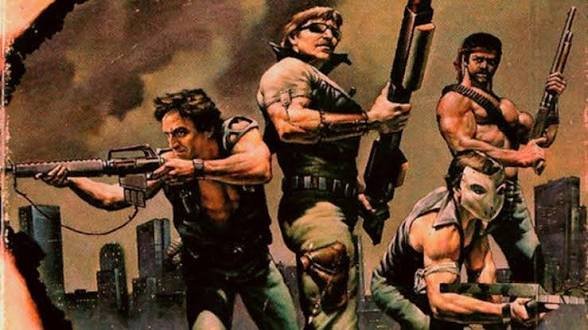
  • THE ANNIHILATORS (1985) – P-1

    🏛️ MGC LOWER COURT OF APPEALS: CASE FILE #027
    • ASSET TITLE: The Annihilators (1985) – The Official Veteran Vigilante Ledger 
    • OFFICIAL REGISTRY GRADE: Certified MGC [Pending Executive Balance]
    • LOWER COURT JURISDICTION: Judge Tina, Chief of Cult Classics 
     
    📜 THE FORENSIC NARRATIVE BREAKDOWN & RECOVERY 
    Tina walks up 👢👢 to the steel bench, slaps 💃🏻 a generic beer can into the trash can 🗑️ and yells, “WHO’S BEEN DRINKING DOWN HERE IN MY BASEMENT COURT?!” as she examines the file. 🤬🔊
    1. Worn-Out Exploitation Metallurgy & Repetitive Vigilante Trajectory
    Under a cold, disciplined forensic review, The Annihilators reveals immediate material fatigue and severe script exhaust across its layout. The film attempts to forge a high-velocity, street-level vigilante action profile centered on a squad of Vietnam veterans who reunite in Atlanta to clean up a neighborhood overrun by a ruthless street gang.
    While this blueprint carries an immense atmospheric vintage luster for collectors of mid-1980s low-budget cinema, the screenplay structure suffers from a flat, heavily circulated second-act bottleneck. The narrative logic experiences a severe slowdown, recycling predictable exploitation tropes that stall the continuous linear velocity of the movie before it can hit peak action.
    2. Heavily Circulated Character Archetypes & Frictional Script Exhaust
    The execution represents a severely worn, moderately corroded specimen displaying sharp structural scuffs and unpolished surface drag. While the veteran squad tries to inject some street-level gritty cinema charisma, the character profiles are so heavily circulated they practically leak technical engine oil all over the basement floor! 🛢️⚙️
    Instead of a tightly calibrated, high-velocity thriller engine, the narrative drops straight into a repetitive loop—practically re-striking the same basic, predictable gang-confrontation story over and over again! Talk about a massive pacing scuff drag! The dialogue feels like it was written on a grease-stained napkin, forcing the powerhouse exploitation elements to work against a flat, uninspired script surface that completely clogs the continuous linear velocity of the asset.
     
    3. Low-Grade Prop Metallurgy & The Uncalibrated Sound Matrix
    Under closer forensic inspection under our strict 5x magnifying lens, the film’s structural integrity completely disintegrates into comedy-tier scrap metal! The production expects the public consensus gallery to suspend all physical logic, actively asking us to believe that a standard pump-action shotgun is somehow functioning as a high-velocity flamethrower! Talk about a catastrophic bleed in the special effects arena!
    To top it all off, the narrative pacing is further deflated by a remarkably stupid laugh from the villain syndicate that echoes across the flat script surface, stalling the continuous linear velocity of the thriller. This hilarious, unpolished prop friction and scuffed sound presentation officially locks the asset right into the heavily circulated basement registers!
    ⚠️ THE MGC LOWER TRIBUNAL CONSENSUS WARNING
    • Tina points her finger directly under the strict 5x magnifying lens, her emerald eyes flashing with absolute, high-velocity judicial focus!* 🔎
    Under our cold, objective tracking, we observe mainstream corporate critics attempting to push this exact specimen at a highly inflated 52% grade / Very Fine registry allocation! This is a classic false-grade marketing maneuver specifically designed to trick young viewers and casual speculators into buying into an asset that completely stalls out after 20 minutes! 🛑📉💰
    The MGC High Court refuses to play along with the promotional hyper-glow. We tell the absolute, unvarnished hard truth right out of the gate: if you are a dedicated historical low-budget exploitation film collector looking for raw, uncalibrated prop friction, go right ahead and mint this coin. But if you haven’t seen this film yet, consider yourself officially warned straight from the basement court floor! 🛢️⛓️❌
    Tina grabs the wrench and brings it down with absolute, crushing velocity flat against the raw steel desk.
    🔧💃🏻💥 Case Closed.
  • NAIL GUN MASSACRE (1985) – P-1

    🏛️ MGC LOWER COURT OF APPEALS: CASE FILE #015
    ASSET TITLE: NAIL GUN MASSACRE (1985)
    OFFICIAL REGISTRY GRADE: Certified MGC P-1 (Basal State Floor)
    LOWER COURT JURISDICTION:
    1. Total Narrative Collapse
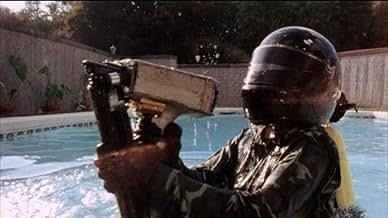
    Under our strict 5x numismatic lens, Nail Gun Massacre (1985) exhibits complete material breakdown. There is absolute zero story logic, non-existent continuity tracking, and no plot cohesion at all. The film is literally just a random collection of sequences where a guy in a motorcycle helmet walks through the woods hunting down locals with a pneumatic tool. It has zero narrative luster.
     
    2. Catastrophic Production Performance
    The technical execution represents the absolute bottom of the barrel, highlighted by monumental background performance defects and fake prop failures. The weapon fires completely obvious “rubber nails” that bend visibly against shirts without puncturing a single thread. Even worse, in one unbelievable sequence, a victim gets shot and falls face-first onto a barbecue grill. The character is supposed to be completely dead, but right in the middle of the shot, he literally pushes himself back up, breaks character, and looks directly at the director like, “Is that good?”
     
    3. The Straight-Forward MGC Verdict
    Let the permanent base registry reflect the unvarnished reality of the High Court: This film is absolute, pure cinematic scrap metal. If you are looking for an intelligent thriller, stay far away from this folder. Curation is direct. If this level of uncalibrated grindhouse chaos suits your viewing profile, proceed at your own risk. Don’t say the MGC didn’t warn you—it’s so horribly bad it’s almost funny. 
  • THE SQUEEZE (1977) – G-4

    🏛️ MGC LOWER COURT OF APPEALS: CASE FILE #023
    • ASSET TITLE: The Squeeze (1977) – The Official British Crime Ledger
    • OFFICIAL REGISTRY GRADE: Certified MGC G-4 (Good / Heavily Circulated Vintage Alloy)
    • LOWER COURT JURISDICTION: Judge Tina, Chief of Cult Classics


    📜 THE FORENSIC NARRATIVE BREAKDOWN & RECOVERY
     

    Judge Tina steps up to the steel desk👗👢👢swipes the fast food trash into the can and examines this rare, heavily circulated piece of 1970s London grit under the strict 5x magnifying lens.

    1. Severe Structural Fatigue & Grime-Caked Pacing
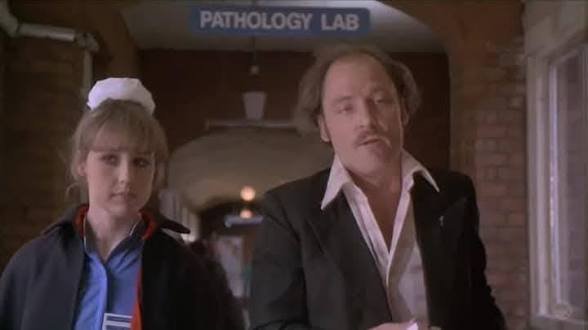
    Under a cold, disciplined forensic review, The Squeeze (1977) exhibits notice-level circulation wear and severe material drag across its narrative layout. The cinematic alloy attempts to forge a gritty, high-stakes London underworld heist surrounding an alcoholic ex-cop who gets violently dragged into a brutal kidnapping-extortion plot. While the premise carries immense historical atmospheric luster for collectors of vintage British crime cinema, the tracking mechanics suffer from a severe pacing blemish.
    The second act experiences a heavy operational bottleneck, dropping into a slow, repetitive loop of back-alley arguments and bleak, uncalibrated domestic drama. Because it spends so much runtime stuck in a muddy narrative groove rather than accelerating the thriller engine, the asset experiences an immediate structural cap, preventing it from climbing into the VF or XF registers.
    2. Heavily Circulated Character Profiles
    The execution represents a worn, heavily circulated specimen displaying sharp friction patterns under the lens. Stacy Keach turns in an incredibly raw, highly dedicated, and unglamorous performance as the broken, self-destructive protagonist, matched by the legendary, menacing presence of David Hemmings as the unhinged criminal mastermind.
    However, their powerhouse acting caliber is constantly working against a heavily scratched script surface. The character logic frequently stalls out due to predictable genre tropes, forced coincidences, and bleak narrative decisions that create a noticeable drag on the continuous linear gravity of the plot.
    3. The Definitive G-4 Junk Box Ledger Allocation
    Let the permanent base registry reflect the unvarnished reality: The Squeeze sits securely within our heavily circulated boundaries, held back by technical oil leaks and considerable structural fatigue. A casual corporate reviewer would look at its depressing box-office history, write it off as an unpolished failure, and toss it aside. But the MGC High Court extracts the true value hidden within the vintage metal.
     
    Tina slams her lower-court gavel down onto the steel desk with a sharp, resonant ring. 💥Case closed.⚖️🔨👗
  • HIGH-BALLIN’ (1978) – VG-10

    🏛️ MGC LOWER COURT OF APPEALS: CASE FILE #026

    • ASSET TITLE: High-Ballin’ (1978) – The Official Trucker Exploitation Ledger 
    • OFFICIAL REGISTRY GRADE: Certified MGC VG-10 (Very Good / Noticeable Vintage Circulation Wear)
    • LOWER COURT JURISDICTION: Judge Tina, Chief of Cult Classics 

    📜 THE FORENSIC NARRATIVE BREAKDOWN & RECOVERY

    Tina walks up 👢👢to the steel bench 👗 tosses a beef jerky wrapper in the trash can 🗑️ and examines the specimen.

    1. Noticeable Script Exhaust & CB Radio Static
    Under a cold, disciplined forensic review, High-Ballin’exhibits clear circulation wear and structural fatigue across its layout engine. The film attempts to forge a high-velocity, high-stakes independent trucker thriller centered on two gear-jamming buddies who square off against a ruthless hijacked-freight boss. While the premise carries immense historical atmospheric luster for collectors of 1970s diesel-fueled exploitation cinema, the script structure suffers from an uncalibrated second-act bottleneck.


    2. Heavily Circulated Character Profiles & Diesel-Fueled Friction
    The execution represents a worn, moderately circulated specimen displaying sharp friction patterns under our strict 5x magnifying lens. Peter Fonda turns in a highly dedicated, charmingly rogue performance as the motorcycle-riding buddy, paired up with Jerry Reed’s elite gear-jamming charisma as the independent truck driver fighting to keep his rig.
    However, their powerhouse acting caliber frequently works against an unpolished script surface. The narrative logic experiences noticeable pacing scuffs due to predictable highway tropes, forced country-fried comedy beats, and repetitive hijacking sequences that stall the linear momentum of the thriller engine before it can hit top gear.
    3. High-Velocity Stunt Metallurgy & Vintage Presentation
    Under closer inspection, the film avoids a lower G-tier allocation due to its authentic 1970s highway presentation. The production boasts genuine, heavy-duty truck stunts, high-impact chase physics, and an energetic country-rock atmosphere that keeps the visual layout highly engaging despite the narrative wear patterns. This raw, vintage action luster solidifies the asset right at the firm VG-10 line.
     
    Tina grabs the heavy-iron claw hammer from its custom gold mount, her emerald eyes gleaming with absolute, high-velocity judicial focus!
    🔨💥👗 Case Closed. 
  • THE MILLION DOLLAR RIP-OFF (1976) – F-12

    🎬 MGC LOWER COURT OF APPEALS: CASE FILE #028
    • ASSET TITLE: The Million Dollar Rip-Off (1976) – The Official Chicago Transit Capers
    • OFFICIAL REGISTRY GRADE: Certified MGC F-12 (Fine / Even, Uniform Circulation Wear)
    • LOWER COURT JURISDICTION: Judge Tina, Chief of Cult Classics
    📜 THE FORENSIC NARRATIVE BREAKDOWN & RECOVERY
    Tina steps up to the bench, snaps her gold-mounted claw hammer into her palm, and examines this rare, television-minted 1976 Chicago transit alloy. 
     
    1. Uniform High-Point Friction & TV-Movie Planchet Limitations
    Under close inspection, The Million Dollar Rip Off displays the classic characteristics of a mid-1970s made-for-TV coin. The planchet is slightly thin due to its original network constraints (premiering on NBC), meaning the visual grain and lighting architecture don’t have the deep, theatrical strike depth of a big-budget feature film. 
     
    The premise attempts to forge a high-concept Mission: Impossible style heist, where an ex-con electronics genius named Muff Kovak (Freddie Prinze) masterminds a payroll robbery of the Chicago Transit Authority alongside four female accomplices. While the Watergate-era wiretapping, blue-box electronics hacking, and rapid-fire costume changes carry immense historical luster, the structural composition is capped at a breezy 73-minute running time. This tight network runtime creates a sharp narrative bottleneck in the third act, forcing the actual execution of the heist to resolve with a highly accelerated, simplified payout sequence.
    2. Distinct Circulation Scuffs: The “Charlie’s Angels” Clone Matrix
    The character profiles represent a well-worn, highly circulated set of 1970s television archetypes. Freddie Prinze turns in his only film role of any kind, delivering a remarkably laid-back, charmingly charismatic strike that heavily balances out the script’s generic dialogue. He is beautifully contrasted by Allen Garfield, who delivers pure “walking ulcer” energy as the relentless, hyper-suspicious Lieutenant Ralph Fogherty. 
    However, the four female accomplices (including Linda Scruggs and Joanna Kerns) are forced to operate inside a heavily scratched script surface. Instead of getting distinct, deep-strike backstories, they are utilized entirely like a calculated Charlie’s Angels or Mission: Impossible clone matrix—shuffled quickly between generic disguises and wiretapping rigs without any localized character development. This creates an even, uniform surface drag across the second-act pacing. 
     
    3. High-Velocity Historic Value & The Definitive F-12 Allocation
    Despite these noticeable structural scuffs and unpolished network production leaks, the asset holds its ground beautifully right at the firm MGC F-12 Fine line. The film completely avoids slipping down into the G or VG junk-box registers thanks to its pristine historical preservation of 1976 Chicago transit infrastructure. The location shooting provides incredible atmospheric eye appeal for collectors of vintage city aesthetics, backed by a delightful, bouncy electronic-infused score by the legendary Vic Mizzy. It is a highly collectible piece of cultural alloy—flawed by its small-screen boundaries, but retaining clear, highly satisfying details on all the major high points. 


    ⚖️ THE CHIEF’S FINAL APPLUATE VERDICT
    Tina raises the heavy-iron claw hammer high above her head, her emerald eyes flashing with absolute, high-velocity judicial focus!
    “The ledger is updated. The case file is complete. If you want a breezy, nostalgia-fueled 70s caper coin with an iconic, laid-back lead performance, this one sits proudly on the shelf!” 
    🔨💥👗 Case Closed. Certified MGC F-12.
  • HIGH RISK (1981) – F-15

    🎬 MGC RESOURCES COURT: INITIAL INQUEST CASE FILE #033
    ASSET TITLE: High Risk (1981) – The Colombian Jungle Extortion Ledger
    PROPOSED BASE GRADE: Certified MGC F-15 (Choice Fine / Passing Entertainment Luster)
    CHIEF JURISDICTION: Judge Mina, Chief of Resources (Blue Sapphire Court)
     
    📜 THE FORENSIC NARRATIVE BREAKDOWN & RECOVERY
    The Chief of Resources adjusts the diagnostic array, clears out the background server logs, and drops the 5x magnifying lens onto this deep-cut, late-grindhouse heist planchet.
     
    1. Passing Entertainment Luster & High-Impact Stunt Metallurgy
    • The Luster: Under strict magnification, the foundational strike of High Risk holds an incredibly fun, highly watchable 1980s broadcast luster. The premise—four ordinary American suburban guys who decide to fly to Colombia to rob a multi-million-dollar drug lord’s safe—delivers instant, high-octane narrative velocity. The production boasts genuine practical stunt work, including dynamic jungle chase sequences, explosion physics, and a thrilling biplane escape that keeps the film’s layout highly engaging for retro action speculators.
    2. Localized Character Fatigue & Uncalibrated Ensemble Dialogue
    • The Wear: However, sliding the lens across the character profiles exposes immediate alloy flatness and surface wear. While the film features a powerhouse B-movie casting lineup (including James Brolin, Cleavon Little, Bruce Davison, and Chick Vennera), the script provides incredibly thin character depth. The dialogue frequently drops into repetitive, heavily circulated bickering sequences inside the jungle canopy that stall the narrative engine. The performers are forced to rely entirely on their natural charisma to fight against a flat script surface, creating noticeable friction patterns across the plot canvas.
     
    3. The Sudden Third-Act Tonal Shift & Formulaic Resolution (The F-15 Cap)
    • The Defect: The screenplay structure suffers from serious narrative fragmentation during the final act transition.
    • The Forensic Data: The narrative trajectory attempts to balance light-hearted buddy comedy against brutal, gritty drug-cartel violence. When Anthony Quinn enters the layout as the local bandit chief, Mariano, the film’s structural integrity experiences a noticeable logic leak. The pacing engine slows down to accommodate broad, country-fried comedic tropes right when the psychological tension should be hitting maximum acceleration. This unpolished genre balancing act, combined with a highly predictable, happy-ending resolution, leaves a permanent fingerprint on the canvas—locking the coin securely at the firm F-15 line.
     
    🔍 THE CHIEF OF RESOURCES’ CERTIFIED VERDICT
    High Risk is the absolute textbook definition of an F-grade asset. It is fantastic passing entertainment that handles its runtime beautifully without dragging the audience into a numb sleep, but its uncalibrated tonal shifts and flat script metrics permanently bar it from the higher XF registers. It avoids slipping down to Tina’s lower-grade G-junk boxes due to its pure, nostalgic 1980s stunt luster.
    MGC F-15 Choice Fine Registry Allocation: LOGGED.
  • The Wicker Man (1973) – VF-20

     MGC LOWER COURT OF APPEALS: CASE FILE #038
    • ASSET TITLE: The Wicker Man (1973) – The Official Summerisle Pagan Cult Ledger
    • OFFICIAL REGISTRY GRADE: Certified MGC VF-20 (Very Fine / Noticeable Narrative Wear)
    • LOWER COURT JURISDICTION: Judge Tina, Chief of Cult Classics
    📜 THE FORENSIC NARRATIVE BREAKDOWN & RECOVERY
    Tina adjusts her magnifying lens, rolls up her sleeves, and conducts a microscopic cross-examination of this absolute titan of psychological horror.
     
    1. Stellar Atmospheric Luster & Christopher Lee’s Powerful Strike
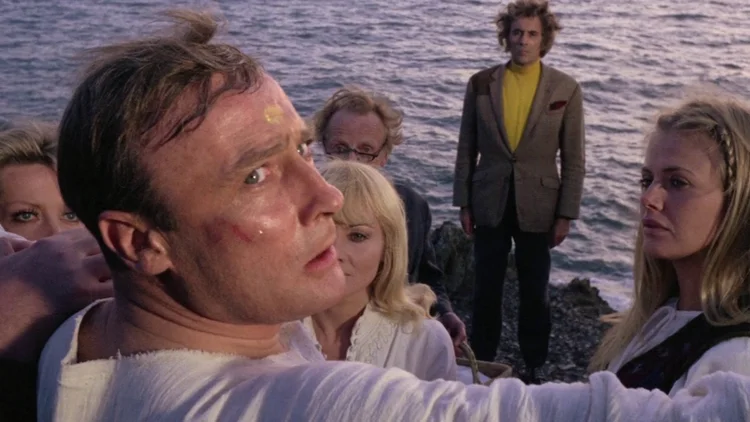
    Under close inspection, the first two acts of the film boast an elite, highly unique narrative luster. Edward Woodward turns in a rock-solid, deeply rigid performance as the ultra-devout, righteous Sergeant Howie, whose puritanical worldview creates an incredible friction against the isolated island community. The striking power hits a monumental, uncirculated peak whenever Christopher Lee graces the frame as Lord Summerisle—delivering a charming, highly sophisticated, and deeply menacing presence that anchors the film’s legendary status. The music registry entry is equally pristine, utilizing haunting, authentic folk melodies that coat the entire planchet in a thick layer of unsettling, hypnotic atmosphere.
    2. Distinct Third-Act Planchet Wear & Localized Structural Scuffs
    However, when we slide the 5x magnifying lens down to the technical execution and chronological progression, noticeable circulation scuffs become highly apparent. The film’s low-budget indie origins and notorious post-production editing hacks have left permanent scars on the structural alloy.
    The narrative linear velocity experiences a distinct second-act bottleneck where Sergeant Howie goes on a repetitive, circular investigation loop across the island, questioning various eccentric townspeople who essentially give him the exact same uncooperative runaround. This creates localized pacing scuffs that stall out the thriller engine. Furthermore, the transitions leading up to the final May Day celebration exhibit clear structural editing fatigue, with several jarring narrative leaps that disrupt the continuous fluid bleed of the film’s realism filter.
     
    3. The Iconic Climactic Crescendo & The Definitive VF-20 Allocation
    Despite these clear structural defects and technical production leaks, The Wicker Man fiercely protects its placement right at the MGC VF-20 line. The unforgettable, towering climax inside the burning giant wicker structure is a monumental narrative crescendo that completely buffs out a massive portion of the middle-act wear. It stands as a beautifully flawed, highly circulated, and deeply influential piece of cinematic history—incapable of climbing into the pristine Mint State vaults due to its rough production seams, but earning a proud, definitive spot on our average entertainment shelf.


    ⚖️ THE CHIEF’S FINAL DECREE
    Tina raises the heavy-iron claw hammer high above her head, her emerald eyes flashing with absolute, unyielding focus!
    “Let the permanent registry show the unvarnished hard truth: this coin is a beautifully scorched, highly atmospheric masterclass in psychological tension. It carries some noticeable narrative scuffs, but the final burn is absolute gold!”
  • Repo Man (1984) – VF-30

    MGC LOWER COURT OF DELIBERATION: CASE FILE #030
    ASSET TITLE: Repo Man (1984)
    OFFICIAL REGISTRY GRADE: Certified MGC VF-30 (Solid Very Fine Specimen)
    TIER VISUAL ANCHOR: 🏎️ Highly Circulated Punk-Rock Alloy
    PRESIDING: Judge Jane and Chief Grader MGC
     
    📜 THE INITIAL INQUEST BENCH ASSESSMENT
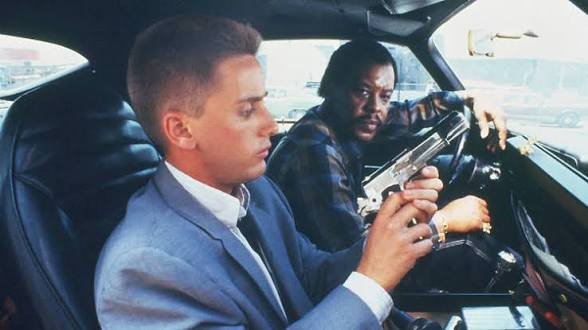
    Under our strict 5x numismatic magnifying lens, Repo Man strikes the ledger as a wildly unique, radioactive independent alloy. It derives an immense, raw natural luster from its razor-sharp satirical script, iconic punk-rock soundtrack, and Emilio Estevez’s stellar, uncirculated performance energy. However, the planchet exhibits heavy, deliberate circulation marks. Operating on a chaotic sci-fi noir framework filled with low-budget design constraints, bizarre narrative u-turns, and a literal glowing Chevy Malibu, it experiences noticeable localized friction that anchors it firmly at a solid VF-30 on the matrix.
    THE THREE SPECIFIC PLANCHET FLAWS:
    1. The Narrative Dislocation Defect: The third-act layout introduces major structural fragmentation. The sudden shift into alien government conspiracy theories and radioactive car chases introduces a chaotic pacing scuff that would terrify traditional corporate Hollywood purists.
    2. The Budgetary Planchet Scuff: Under the 5x magnifying lens, the film’s independent financial constraints leave visible physical blemishes. The practical special effects—particularly the final neon-green glowing vehicle flying over Los Angeles—exhibit heavy, charmingly unpolished production wear.
    3. The Circulated Dialogue Friction: The script alloy is intentionally filled with fragmented, highly absurd, and repetitive subcultural dialogue. While this creates an incredible cult luster for the room, it represents a clear departure from standard, polished cinematic editing parameters.
    ⚖️ THE APPELLATE REVIEW & REVERSAL ARGUMENTS
    Judge Jane stepped straight up to the console, auditing the technical wear and issuing the following final decrees:
    • Motion 1 (The Absurd Sci-Fi Ending Objection): OVERRULED. Judge Jane rules that the chaotic, flying radioactive Chevy Malibu is a feature, not a bug! It is a massive piece of satirical genius that strips the text fat off standard sci-fi tropes. The absurdity is exactly what gives this coin its timeless, un-erasable cultural strike.
    • Motion 2 (The Gritty Production Blemishes): SUSTAINED. The Court agrees that the raw, low-budget editing cuts and localized audio engineering fatigue represent real-world circulation wear. These structural marks cap the asset at VF-30, permanently sealing it away from the pristine Mint State room.
     
    🔍 THE FINAL DECREE & CERTIFIED JUDGMENT

    The Final Executive Verdict: By embracing its raw punk-rock impurities and distilling a completely original, un-copyable cinematic alloy, Repo Man is certified at a rock-solid MGC VF-30 Very Fine grade. The car icon is permanently engraved, the slider parameters are locked, and this highly radioactive cult token takes its rightful place right in the dead-center of the VF Registry. Case closed! ⚖️