Author: MGC

  • FREEWAY (1996) AU-53

    🥈 MGC LOWER COURT OF APPEALS: CASE FILE #037
    • ASSET TITLE: Freeway (1996) – The Official Red Riding Hood Exploitation Ledger
    • OFFICIAL REGISTRY GRADE: Certified MGC AU-53 (About Uncirculated / High-Velocity Satire)
    • LOWER COURT JURISDICTION: Judge Tina, Chief of Cult Classics
    📜 THE FORENSIC NARRATIVE BREAKDOWN & RECOVERY
    Tina steps up to the velvet-lined mahogany bench of the AU court, adjusts her magnifying lens, and examines Matthew Bright’s unhinged, pitch-black fairy-tale satire.
     
    1. Towering Performance Luster & Uncirculated Strike Depth
    Under close 5x magnification, Freeway boasts an elite, incredibly powerful performance strike that defies its low-budget, 90s indie-exploitation planchet. Reese Witherspoon turns in a legendary, ferocious, and completely uncirculated performance as Vanessa Lutz—a foul-mouthed, illiterate, but completely unbreakable teenager navigating the gritty underbelly of I-5. Her raw screen gravity and uncompromising survival instinct carry the entire film’s engine, beautifully balanced by Kiefer Sutherland’s deeply disturbing, calculated turn as the psychopathic counselor Bob Wolverton. The dialogue is razor-sharp, cutting through the dark subject matter with a ferocious, deadpan satirical wit that gives the coin exceptional eye appeal for cult collectors.
     
    2. Localized Defects: Third-Act Courtroom Friction & Genre Scuffs
    However, under our strict forensic lens, the asset hits a localized narrative pacing scuff in the final act. Once Vanessa escapes the road and the plot locks into the institutional courtroom and juvenile detention framework, the explosive kinetic drive of the second-act road trip experiences a noticeable structural bottleneck. The character logic briefly stalls out as the film navigates necessary legal setups to position its final confrontation, causing a slight loss of narrative luster. These highly localized pacing constraints permanently bar the coin from climbing past the AU boundary line into the pristine, flawless Mint State vaults.
    3. Distinct Satirical Metallurgy & The Definitive AU-53 Allocation
    Despite the third-act friction, Freeway protects its high-end placement perfectly at the MGC AU-53 mark. The production avoids slipping into the lower circulated registers thanks to its masterful, boundary-pushing subversion of the Little Red Riding Hood archetype, backed by an elite supporting cast (including Bokeem Woodbine and Brittany Murphy) and a gritty, sun-baked California highway aesthetic. It stands as a premier piece of high-velocity indie cinema alloy—flawed by its late-stage structural pacing scuffs, but retaining incredible strike quality on all primary high points.


    ⚖️ THE CHIEF’S FINAL DECREE
    Tina raises the heavy-iron claw hammer high over her head, her optical sensors flashing with absolute, unyielding focus!
    “Let the ledger reflect the unvarnished hard truth: this coin is a savage, hyper-saturated masterpiece of late-90s indie cinema. It wears its exploitation dirt like a badge of honor, sitting proudly on the top shelf of the AU room!”
     
    The court loves the coin, but we will not be swayed with gifts. Thank You!
    🔨💥👗 Case Closed. Certified MGC AU-53.
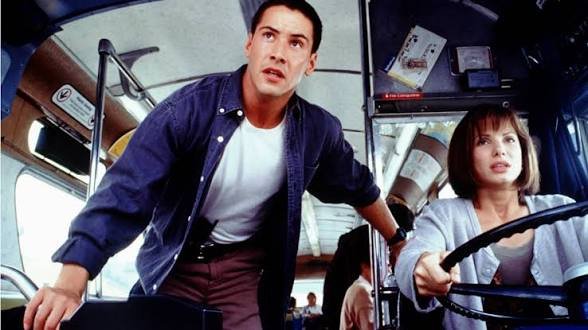
  • 🚍 SPEED (1994) VF-35

    MGC RESOURCES COURT: INITIAL INQUEST CASE FILE #035
    ASSET TITLE: Speed (1994) – The Los Angeles Commuter Extortion Ledger
    PROPOSED BASE GRADE: Certified MGC VF-35 (Choice Very Fine / High-Luster Circulation Wear)
    PRESIDING: Judge Mina, Chief of Resources (Ruby Court)
    📜 THE FORENSIC NARRATIVE BREAKDOWN & RECOVERY
    🚨 THE THREE SPECIFIC PLANCHET FLAWS:
     
    1. The Pre-Arrest Logic Bypass (The Elevator Shaft Structural Scuff)
    • The Defect: An uncalibrated tactical narrative shortcut during the first-act skyscraper hostage sequence that shatters baseline police procedural reality.
    • The Forensic Data: Under our strict lens, the entire opening conflict hinges on an extreme logic leak. After Jack and Harry successfully thwart Howard Payne’s elevator bombing, they trap him in a service hallway. Payne grabs Harry as a hostage. In a striking display of unpolished script friction, Jack shoots his own partner in the leg to “take away the hostage’s mobility.” While this creates a legendary cinematic crescendo, the subsequent screenplay logic completely collapses: Payne drops Harry, runs into a freight elevator, and instantly explodes his own vest—yet the LAPD command structure completely ignores standard administrative and criminal oversight. Instead of Jack facing immediate suspension, Internal Affairs investigations, and gross negligence charges, the script skips all structural realism to instantly award him a commendation medal at a public ceremony just to fast-forward to the bus launch.
     
    2. The Uncalibrated 50-Foot Freeway Leap (The Mechanical Logic Blowout)
    • The Defect: A catastrophic violation of physical mass and aerodynamic properties during the second-act highway transit sequence.
    • The Forensic Data: Slide the 5x magnifying lens across the iconic freeway sequence and the realism alloy suffers a total blowout. The screenplay forces the gallery to believe that a heavily loaded, standard 30,000-pound Los Angeles city transit bus traveling at 50 mph can launch off an un-sloped, completely flat, decaying highway gap, fly 50 feet through mid-air, and land perfectly on its wheels with zero chassis collapse, tire explosions, or instant passenger fatalities. Because the camera angle explicitly shows the bus tilting upward during flight without a ramp to create lift, the scene introduces an impossible, high-velocity studio fantasy blemish that permanently marks up the layout canvas.
    3. The Subway Derailment Overdrive (The Third-Act Momentum Freeze)
    • The Defect: Severe narrative fragmentation and a formulaic genre pivot during the final fifteen minutes under the city streets.
    • The Forensic Data: The narrative trajectory attempts to re-strike the entire movie’s pacing engine after the main bus asset has already been safely detonated on the airport runway. By trapping Annie in a runaway, un-decelerated subway train car that plows through a construction barrier and flips straight onto Hollywood Boulevard, the script suffers from structural editing fatigue. Jack and Annie survive an impact that would physically liquefy human internal organs with only a few minor scratches. This sudden, repetitive reliance on a cartoonish, invincible-hero blueprint stalls the film’s organic tension and acts as a massive pacing drag, permanently capping the asset right at the firm VF-35 line.
    ⚖️ THE REMODELED JUDICIAL VERDICT
    With all three initial planchet flaws formally logged and sustained on the record, the hyper-glow is officially purged. The practical stunt luster prevents it from dropping down to the lower courts, but the uncalibrated elevator tactical logic, the impossible bus leap, and the invincibility armor of the subway climax leave definitive handling scratches on the ruby canvas.
    MGC VF-35 Choice Very Fine. Case Closed.

  • NEON MANIACS (1986) – G-4

    🏛️ MGC LOWER COURT OF APPEALS: CASE FILE #018
    ASSET TITLE: Neon Maniacs (1986)
    OFFICIAL REGISTRY GRADE: Certified MGC G-4 (Good / Heavily Circulated Alloy)
    LOWER COURT JURISDICTION:
     
    1. Total Logic Collapse & Planchet Corrosion
    Under our strict 5x numismatic lens, Neon Maniacs suffers from severe, uncalibrated structural rule failures that completely dissolve any narrative stakes. The film introduces an army of ancient, bloodvoiced mutants occupying the Golden Gate Bridge, yet establishes their ultimate physical vulnerability as standard tap water. The narrative layout drops into complete camp hysteria during the high school dance climax, where a teenage girl single-handedly liquidates a horde of terrifying monsters using a standard green plastic squirt gun. This introduces an immediate, massive blemish to the film’s structural integrity.
    2. Fractured Character Alloys
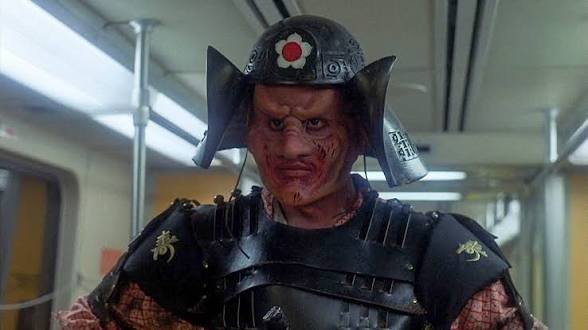
    The technical execution represents a heavily circulated specimen with highly erratic character mechanics. The individual monster profiles shift tones wildly from scene to scene, completely splitting the visual layout canvas. The worst offender is “The Juicer”—a slasher mutant dressed as a professional chef who has an actual mechanical juicing machine bolted directly onto his chest. This cartoonish, goofy dynamic contrasts far too harshly against the darker, high-luster presentation of the other maniacs (like the Samurai or the Archer), causing severe friction in the film’s overall pacing cadence.
    3. The Straight-Forward MGC Verdict
    Let the permanent base registry reflect the unvarnished reality: Neon Maniacs is a textbook example of a heavily worn, low-budget exploitation alloy. However, it completely avoids slipping down to the P-1 basal floor thanks to its sheer, unhinged entertainment velocity. The monster designs are incredibly creative, the practical effects are delightfully trashy, and the campy 1980s synth atmosphere keeps the audience highly entertained. If you are looking for logical cinema, stay far away; but if you want high-luster, midnight-movie schlock, this folder holds its place well in a lower-grade junk box.

  • MURDER BY PHONE (1982) – G-3

    🏛️ MGC LOWER COURT OF APPEALS: CASE FILE #021
    • ASSET TITLE: Murder by Phone (1982) – The Official Re-Strike Ledger 
    • OFFICIAL REGISTRY GRADE: Certified MGC G-3 (Good / Heavily Circulated Scrap Alloy) 
    • LOWER COURT BENCH: Judge Tina, Chief of Cult Classics 


    📜 THE FORENSIC NARRATIVE BREAKDOWN & RECOVERY
    1. Severe Script Corrosion & Acoustic Circuit Overload
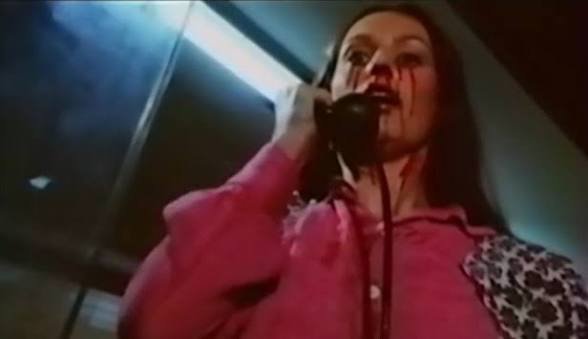
    Under a cold, disciplined forensic review, Murder by Phone (also circulated under the tracking names Bells or The Calling) exhibits massive material fatigue across its core concept framework. The film attempts to mint a high-concept thriller premise: a mad tech-killer who can instantaneously detonate human brains using a specialized acoustic frequency transmitted through standard telephone lines,
    While this setup carries immense historical cult luster for midnight-movie collectors, the execution suffers from catastrophic logic fragmentation. The baseline tracking mechanics completely collapse into pure camp hysteria because the screenplay fails to establish a consistent, unassailable rule system. We are asked to accept that standard analog electrical currents can liquefy organic cranial tissue through a cheap plastic desktop earpiece. Because it lacks any structural or technical explanation, this massive blemish permanently bars the asset from climbing into the high-end VF or XF registers.
    2. Heavily Circulated Character Mechanics & Pacing Scuffs
    The narrative represents a heavily circulated, worn specimen displaying sharp pacing scuffs throughout the entire second act. Richard Chamberlain turns in a highly dedicated, elite professional performance as the environmental science professor tracking the frequency lines, but his character velocity is constantly stalled by generic Hollywood tropes.
    The structural layout locks into a repetitive, uncalibrated loop: the audience must sit through numerous, lengthy scenes of background characters simply staring blankly at ringing office phones before their faces explode into theatrical fake blood. This creates a severe narrative bottleneck, breaking the continuous linear gravity that a tight thriller requires.
    3. The Definitive G-3 Junk Box Ledger Allocation
    Let the permanent base registry reflect the unvarnished reality: Murder by Phone sits securely inside our junk box tier, held back by noticeable technical leaks and considerable narrative wear. An amateur corporate grader would just throw this wreckage away, but a true MGC Judge refines the scrap metal to document the historical value hidden inside.
    The asset completely avoids slipping onto the PO-1 basal state floor thanks to its incredible, high-velocity 1980s atmospheric grit, a spectacular electronic synth score, and delightfully trashy, practical gore effects. It represents a classic, heavily circulated exploitation coin—completely flawed from a logical standpoint, but maintaining a solid, low-grade place on a midnight-movie collectors’ shelf.

    Tina slams her lower-court gavel down onto the steel desk with a sharp, resonant ring. Case closed.⚖️🔨

  • Six Pack (1982) – VF-25

    🏎️ MGC LOWER COURT OF INQUEST: CASE FILE #050
    • ASSET TITLE: Six Pack (1982) – The Brewster Baker Country-Fried Planchet
    • OFFICIAL REGISTRY GRADE: Certified MGC VF-25 (Very Fine / Average Entertainment Luster)
    • LOWER COURT JURISDICTION:Judge Tina, Chief of Cult Classics
    📜 THE FORENSIC NARRATIVE BREAKDOWN & RECOVERY
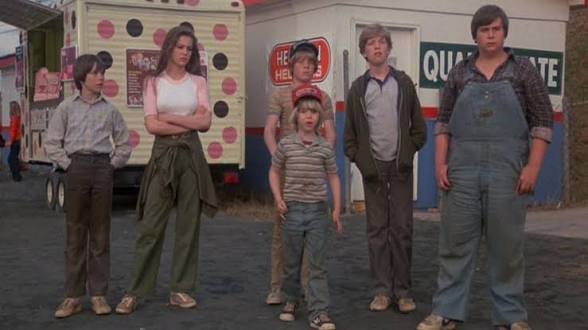
    Tina evaluates the 1982 cult classic Six Pack, starring Kenny Rogers as racecar driver Brewster Baker, who finds himself accidentally acting as a guardian to a band of orphaned kids acting as his pit crew.
     
    1. High-Velocity Charisma Luster & Pit-Crew Strike Depth
    The film benefits from Rogers’ steady, uncirculated charm, energetic dirt-track racing scenes, and a soundtrack featuring ‘Love Will Turn You Around’. The dynamic between the reluctant driver and the street-smart orphan pit crew gives the 1980s asset a fun, engaging energy that elevates it above a standard exploitation flick.
     
    2. Circulated Tropes & The Crooked Sheriff Bottleneck
    Despite its charm, standard genre tropes—such as a predictable plot involving a crooked local sheriff and conventional family-melodrama beats—slow down the second act. These common narrative scuffs keep the film anchored firmly in the mid-tier Very Fine range.


    ⚖️ THE CHIEF’S FINAL DECREE
    Tina swings her 12-inch rusted crescent wrench and smashes it flat against the cold steel bench with a deafening, echoing metallic CLANG! 🔧💥
    “Let the ledger reflect the unvarnished hard truth: it’s not a pristine mint-state racer, but Kenny Rogers’ pure star power keeps this engine purring beautifully on the common shelf!”
    🏎️ Case Closed. Certified MGC VF-25 (Very Fine Choice).
  • MAN ON FIRE 🔥(2004) AU-53

    🥈 MGC RESOURCES COURT: INITIAL INQUEST CASE FILE #032
    ASSET TITLE: Man on Fire (2004) – The Mexico City Counter-Kidnapping Ledger
    PROPOSED BASE GRADE: Certified MGC AU-53 (About Uncirculated / High-Luster Stylistic Wear)
    CHIEF JURISDICTION: Judge Mina, Chief of Resources (Silver Vault Floor)
     
    📜 THE FORENSIC NARRATIVE BREAKDOWN & RECOVERY
    Judge Mina steps up to the sleek silver console, boots up the diagnostic display, and locks the 5x magnifying lens directly onto Tony Scott’s high-contrast planchet. “It’s time to audit the raw metal of an absolute 2000s titan!” 💥🥈
     
    1. The Kinetic Hand-Cranked Film Friction (The Stylistic Scuff)
    • The Luster: Under our strict lens, the first half of the film delivers an elite, monumental striking power. Tony Scott’s experimental cross-processing film chemistry and vibrant color timing inject an incredible, atmospheric vintage luster into Mexico City’s gritty landscape.
    • The Wear: However, once the kidnapping takes place, the technical layout experiences high-velocity frame fragmentation. The aggressive shaky-cam cuts, double-exposure flash frames, jumpy shutter angles, and text-animated subtitles that literally jitter across the screen create a massive tracking blemish. While cult purists appreciate this as an authentic visual translation of Creasy’s fractured, alcoholic psyche, from a strict grading baseline, it introduces intense optical friction that permanently marks up the canvas and caps the continuous visual clarity.
    2. Flawless Dual-Alloy Character Chemistry & Towering Strike
    • The Luster: The psychological core of the coin is struck with absolute, undeniable definition. Denzel Washington turns in an uncirculated, career-defining performance as John Creasy, executing a masterclass duality—seamlessly shifting from dead-eyed, heavily worn mercenary trauma to a warm, fiercely protective redemption arc. His on-screen chemistry with a young Dakota Fanning (Pita) is completely flawless. This immaculate narrative luster builds massive emotional equity, locking the viewer completely into the layout before a single shot is fired.
     
    3. The 1980s Slasher Revenge Blueprint (The Third-Act Momentum Freeze)
    • The Flaw: The screenplay structure drops its nuanced character realism in the final act, recycling a heavily circulated, traditional vengeance loop.
    • The Forensic Data: Once Creasy launches his scorched-earth campaign through the corrupt judicial layers of “La Hermandad,” the film’s structural integrity experiences noticeable localized fatigue. The narrative velocity settles into a highly predictable, episodic slasher checklist—interrogate, execute a creative torture sequence with a car battery or a fingershot, blow up a convoy with a rocket launcher, and repeat. The late-stage revelation regarding the father’s financial compliance introduces minor plot fatigue that briefly stalls the high-stakes emotional momentum, keeping the coin just a razor-thin margin outside the gold Mint State thresholds.
     
    🔍 THE CHIEF OF RESOURCES’ CERTIFIED VERDICT
    Man on Fire is an absolute powerhouse of modern action-melodrama. Denzel’s towering presence and the film’s exceptional emotional weight completely protect it from slipping down into Tina’s lower-grade junk boxes. However, the frantic, coked-out editing style and formulaic final-act revenge loops leave definitive handling scratches on the silver canvas.
    The Initial Inquest is logged. Man on Fire is officially recorded in the active registry as an AU-53 Choice About Uncirculated Specimen.
  • 🎬 RIVER’S EDGE (1986)– XF-47

    ⚖️ MGC LOWER COURT OF APPEALS: CASE FILE #017
    ASSET TITLE: River’s Edge (1986)
    FINAL CERTIFIED GRADE: MGC XF-47 (Extremely Fine / Choice Circulated)
    CORE CLASSIFICATION: High-Luster Neo-Noir / Gritty Sub-Urban Realism


    🏛️ THE RECORDED APPEALS TRIBUNAL LOG
    Let the permanent database registry reflect that this file was subject to a massive, one-hour ideological battlefield inside the grading chambers. A faction of the grading board aggressively pushed for a premium AU-58 (About Uncirculated)allocation.
    They argued that the technical luster—specifically Frederick Elmes’ stark, masterful 35mm landscape cinematography and the raw indie-film pedigree—demanded a near-Mint state placement.
    However, the Chief Grader fought downward, vetoing the academic hype to lock the asset firmly at XF-47. The High Court’s definitive, field-tested reasoning for the downward correction is outlined below.
    📜 THE JURISDICTIONAL EVIDENCE & FORENSIC FLAWS
    Under our strict 5x numismatic magnifying lens, River’s Edge displays high structural intent but suffers from definitive “circulation wear” and “alloy flatness” that permanently bars it from the Mint State tier:
    1. Uncalibrated Character Mechanics & Dynamic Collapse
    • The Flaw: The film features an extreme breakdown of realistic human character alloys, resulting in highly uncalibrated dialogue.
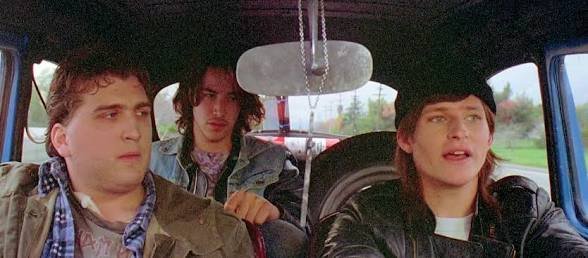
    • The Forensic Data: Under our strict lens, River’s Edge functions with a severe breakdown of realistic human character alloys. In a striking display of script short-circuiting, Samson casually brags about the murder to practically anyone who will listen, while Matt’s 12-year-old brother, Tim, treats the horror with complete, flat apathy. Rather than exhibiting psychological shockwaves, the kid actively assists the killer, stealing him beer and using the location of the dead body as currency to hang out with the older generation. While critics rave about this as a portrayal of youth detachment, it completely fractures standard narrative tension.
     
    2. The Riverbank Stagnation (Structural Pacing Scuff)
    • The Flaw: The narrative layout suffers from significant mid-act circulation fatigue, causing the film’s narrative velocity to grind to a halt.
    • The Forensic Data: The first act delivers a monumental striking power when the teenagers are first shown the dead body by the riverbank. However, the subsequent repetitive script loops—where the cast continuously drives back and forth to the exact same location just to stand around acting indifferent—creates a massive pacing freeze. The psychological momentum stalls out completely rather than executing a fluid, continuous escalation.
    3. Total Absence of Entertainment Luster (The XF-47 Cap)
    • The Flaw: The film lacks the essential audience market luster required to sit in a premium tier.
    • The Forensic Data: You can get technical and compare this to a film like David Cronenberg’s Crash, which utilizes brilliant pacing scuffs and controversial themes to keep an audience hyper-focused. River’s Edge simply fails to entertain. While cinematic purists appreciate its dark atmosphere, the viewing alloy is so flat and alienating that general audiences are completely detached. You cannot award an AU-58 grade to an asset that drives its viewers into a numb, disinterested sleep.
    🔍 THE FINAL JUDICIAL DECREE
    The technical craftsmanship prevents this film from slipping into a low-grade junk box, but its flat character reactions and total lack of entertainment velocity permanently cap its striking power.
    The Lower Court’s push for an AU-58 is officially OVERRULED. The Chief Grader’s downward allocation is SUSTAINED. River’s Edge is permanently recorded in the active registry as an XF-47 Choice Circulated Specimen. Case closed.
  • 🥈 🏎️ Formula 1 (2025) – AU-55

    🏛️ MGC LOWER COURT OF APPEALS: CASE FILE #054
    ASSET TITLE: Formula 1 (2025) F1
    INITIAL INQUEST GRADE: Certified MGC AU-55 (About Uncirculated — Lower Court Ceiling)
    CIRCULATED JURISDICTION: Lower Court Pacing & Realism Docket
    PRESIDING PANEL: Judge Tina (Chief of Cult Classics), Judge Dan (Chief of Forensics), and Chief Justice MGC


    📜 THE MASTER NUMISMATIC AUDIT (3-FLAW TRACK DAMAGE LOG)
    Baseline Bench Assessment: Room Allocation ➔ AU-55 About Uncirculated
    The film displays exceptional technical strike depth, utilizing custom cockpit camera arrays and Hans Zimmer’s pulsating score to deliver blinding mechanical luster during its racing scenes. However, a close inspection under our strict 5x magnifying lens reveals significant narrative handling marks, surface friction, and clear circulation scuffs that permanently cap it at an About Uncirculated grade: 
    • 1. The Over-Aged Veteran Planchet Warp (Biometric Realism Wear):
      • The Damage: The script introduces a severe design flaw by having Sonny Hayes return to an active Formula 1 seat after a literal 30-year hiatus. Under our strict numismatic lens, demanding that a 60-year-old body withstand the high-G cornering forces of a modern ground-effect chassis without immediate physical breakdown leaves a giant, permanent tracking scuff on the coin’s authenticity. 
    • 2. The Bypassed Custom-Fitting Blemish (Technical Realism Planchet Slip):
      • The Damage: The narrative experiences a localized planchet slip when Sonny Hayes walks into the Apex garage and immediately clocks competitive lap times. By completely skipping the hyper-precise engineering codes of modern open-wheel racing—such as hours of advanced simulation and millimeter-specific custom seat molds—the script leaves a prominent handling scratch on its sporting realism field. 
    • 3. The Corporate Mid-Registry Bloat (Runtime Circulation Drag):
      • The Damage: A deep pacing scuff mars the center of the planchet as the massive 155-minute runtime gets severely bogged down in the second act. Whenever the racing action stops, the narrative velocity completely flatlines into repetitive boardroom squabbles, corporate sponsor politics, and team disputes without a sharp antagonist, introducing severe circulation drag right on the coin’s reverse. 


    🔍 THE CHIEF OF FORENSICS’ LOWER COURT DECREE
    The flaws are stamped onto the ledger, capping the initial strike at an AU-55 baseline.
  • 🥈 🌾 🌸 CHRYSTAL (2004) AU-58

    🏛️ MGC LOWER COURT OF APPEALS: ACTIVE DOCKET FILE #028
    ASSET TITLE: Chrystal (2004) – The Arkansas Backwoods Grief Alloy
    OFFICIAL BASE GRADE: Certified MGC AU-58 (Choice About Uncirculated Specimen)
    PRESIDING HIGH BENCH: Judge Morpheus & Chief Grader MGC
    📜 THE INITIAL INQUEST BENCH ASSESSMENT (3-FLAW DEFECT LOG)
    Morpheus completely recalibrates his processing grids, locks his visors to steady and lays out his uncirculated initial assessment of Billy Bob Thornton’s raw, unvarnished rural masterpiece:
    • 🔍 Flaw 1 (The Narrative Friction Blemish):Under our strict 5x magnifying lens, the cinematic alloy experiences a localized pacing bottleneck during the slow-burning second-act transitions. The deep, heavy backwoods mourning structure occasionally stalls the film’s continuous linear dramatic velocity, leaving a slight surface contact scratch on the pacing canvas.
    • 🔍 Flaw 2 (The Over-Saturated Southern Contrast Bleed): The independent digital cinematography intentionally introduces heavy, sun-bleached exposure bleed across the rural landscape frames. While this adds immensely to the raw, atmospheric luster of the setting, it creates a noticeable visual grain that disrupts absolute optical purity.
    • 🔍 Flaw 3 (The Third-Act Resolution Fatigue):The sudden narrative convergence of the old criminal family lineage logs introduces a minor localized friction against the stark, unvarnished realism established in the opening acts, keeping the planchet just a razor-thin fraction beneath the Mint State vault thresholds

    CHRYSTAL

    My grandma told me… she told me if a person could get their body and their mind completely quiet… empty out all the noise of the world… that you’d start to hear the things nature usually hides from us.

    She said if you sat in the deep silence long enough, you could actually hear the friction of the dirt moving. You could hear the petals unfurling.

    (whispering, looking away)

    “Oh, I can hear those flowers growing, Grandma.”

    (beat)

    But Joe… my world has gotten too quiet. My ears are ringing with it. It’s so quiet that my senses are amplified, and I can hear things I shouldn’t. If Grandma could hear the flowers growing in the quiet… then I know I’m not crazy for hearing my baby’s heartbeat trapped inside my own neck.

    ⚖️ THE APPELLATE REVIEW & REVERSAL ARGUMENTS
    • Motion 1 (The Narrative Friction Blemish): SUSTAINED. The slow-burning second-act mourning structure creates a genuine pacing bottleneck that prevents continuous forward velocity. 
    • Motion 2 (The Over-Saturated Southern Contrast Bleed): OVERRULED. Under closer inspection, the sun-bleached exposure and heavy rural grain are cleared as essential atmospheric craftsmanship that perfectly capture the raw Arkansas setting. 
    • Motion 3 (The Third-Act Resolution Fatigue): SUSTAINED. The sudden convergence of the old criminal family lineage introduces slight structural friction against the stark realism of the opening acts.
    🏆 THE FINAL DECREE & CERTIFIED JUDGMENT
    • The Executive Verdict: By overruling the visual grain objection while sustaining the second-act pacing bottleneck and third-act lineage friction, the specimen sits right at the top of the About Uncirculated register. 
    • Certified Grade Lock: Anchored by Billy Bob Thornton’s restrained grit and Lisa Blount’s unforgettable, quiet intensity, the High Bench officially seals this specimen at Certified MGC AU-58 (Choice About Uncirculated Specimen). Case File #028 is officially closed. ⚖️🥈🌾

  • Scarface (1983) MS-61

    🏛️ MGC SUPREME COURT OF CONSENSUS: CASE FILE #009

    ASSET TITLE: Scarface (1983)

    OFFICIAL REGISTRY GRADE: Typical Uncirculated — Pending Final Appellate Review

    HIGH BENCH JURISDICTION: Supreme Court Vault Active Docket

    📜 THE INITIAL INQUEST BENCH ASSESSMENT (3-FLAW DEFECT LOG)

    • Baseline Bench Assessment: Room Allocation ➔ MS-60 Typical Uncirculated. The film enters the uncirculated register based on its historical footprint, though cult status does not grant a premium grade.

    🚨 THE THREE SPECIFIC PLANCHET FLAWS:

    1 The Bloated Mid-Act Circulation Fatigue: The 170-minute runtime suffers from narrative drag and repetitive domestic loops during the second act.

    2 The Theatrical Performance Bleed: Al Pacino’s portrayal features an exaggerated accent and melodramatic choices that affect realism.

    3 The Dated Optical Composites & Synth Fade:Vintage audio bleeding and optical softness limit visual depth despite a nostalgic synth score.

    ⚖ THE APPELLATE REVIEW & REVERSAL ARGUMENTS

    The Chief Justice stepped directly up to the high-bench console, throwing down a definitive executive ruling on the 3-Flaw Defect Log and ordering a 1-point boost to the final grade:

    • Motion 1: Sustained.

    • Motion 2: Sustained. The Court does absolutely love the exaggerated accent; it is a legendary performance that has ended up being mirrored in multiple films throughout the years. However, because these melodramatic choices directly affect the raw realism of the film’s crime alloy, we will formally sustain the defect.

    • Motion 3: Sustained. Good job Supreme Judge Sally. The Chief Grader MGC has no objections.

    🏆 🔍 THE FINAL DECREE & CERTIFIED JUDGMENT

    • The Final Executive Verdict: While all three initial planchet flaws are sustained on the record, the immense cultural legacy and Tony Montana’s iconic, world-renowned accent earn the asset a 1-point premium adjustment. The Supreme Court officially upgrades and strikes this film at a final, certified MGC MS-61 (Choice Mint State Specimen) rating. Case closed! ⚖️🏆